3 Days in London: The Perfect First-Time Itinerary
Plan the perfect 3 days in London with a first-time itinerary covering Westminster, the City, Shoreditch, famous landmarks, and local markets.
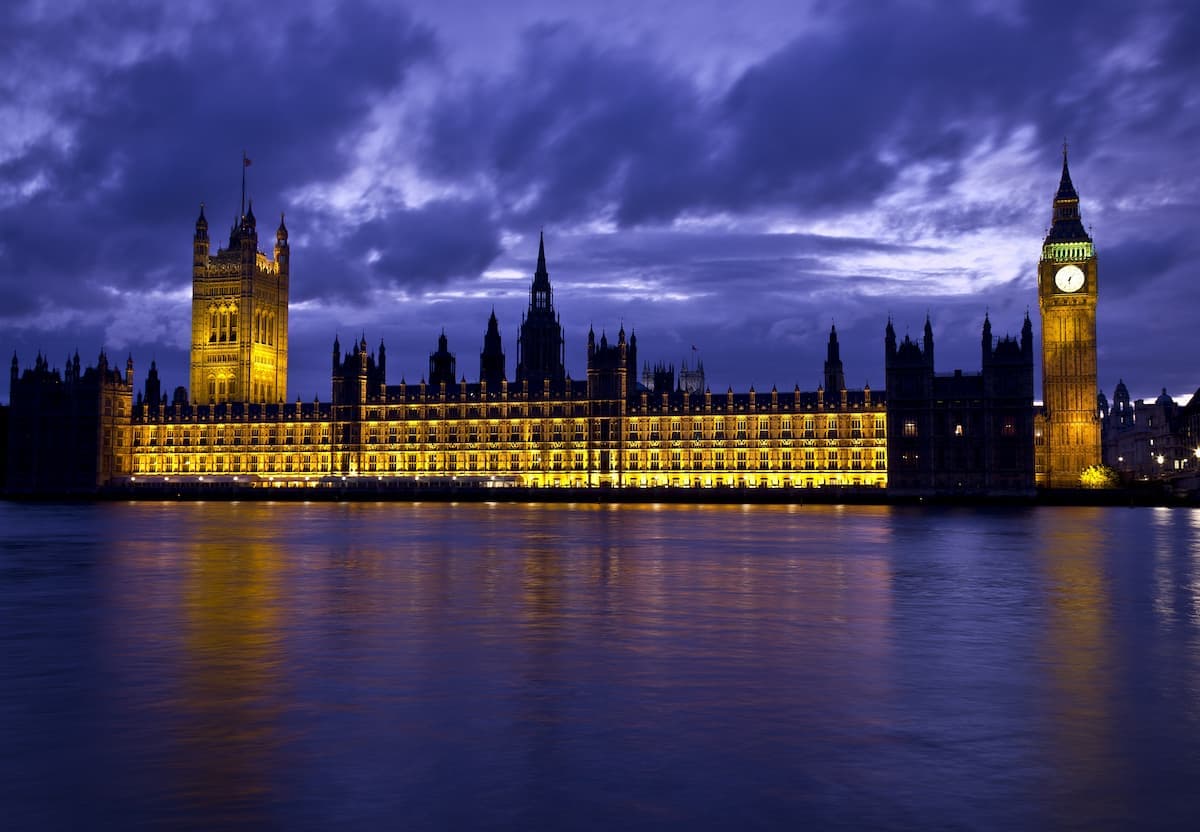
London looks manageable on a map until you begin listing everything you hope to see. Buckingham Palace, the Tower of London, Shoreditch, Greenwich, Camden, and the major museums are spread across very different parts of the city. Trying to fit them into three days without a sensible route usually means spending too much time on the Underground and not enough time exploring.
This itinerary divides London into three areas. Day one covers Westminster and the ceremonial centre, day two follows the oldest streets of the City of London, and day three moves east for markets, street art, food, and local neighborhoods.
You will still see many of London’s best-known landmarks, but the schedule is not designed as a race between attractions. There is time to walk through St James’s Park, explore the lanes around Spitalfields, stop for lunch on Brick Lane, and choose between Camden and Greenwich according to your interests.
Most of the route can be completed on foot once you reach the starting area for each day. Comfortable shoes will be more useful than an ambitious list of twenty attractions.
Before your trip, read our essential London travel tips for first-time visitors for practical advice about transport, payments, weather, and getting around the city.
How This 3-Day Route Works
Each day keeps you within one part of London for most of the time. This avoids repeatedly crossing the city and leaves more flexibility when an attraction takes longer than expected.
- Day 1 is best for first-time landmarks and royal London.
- Day 2 follows London’s history from the medieval Tower to St Paul’s Cathedral.
- Day 3 is more flexible and focuses on markets, street art, food, and local neighborhoods.
The itinerary assumes three reasonably full days. It works best for travelers who enjoy walking and want a mixture of major sights and less formal neighborhood exploration.
Day 1: Westminster and Central London
Your first day focuses on London’s most famous landmarks. The route begins around Buckingham Palace, continues through Westminster, and finishes with an evening in Covent Garden. Most of the day can be completed on foot, with plenty of opportunities to stop for photographs, food, and short breaks.
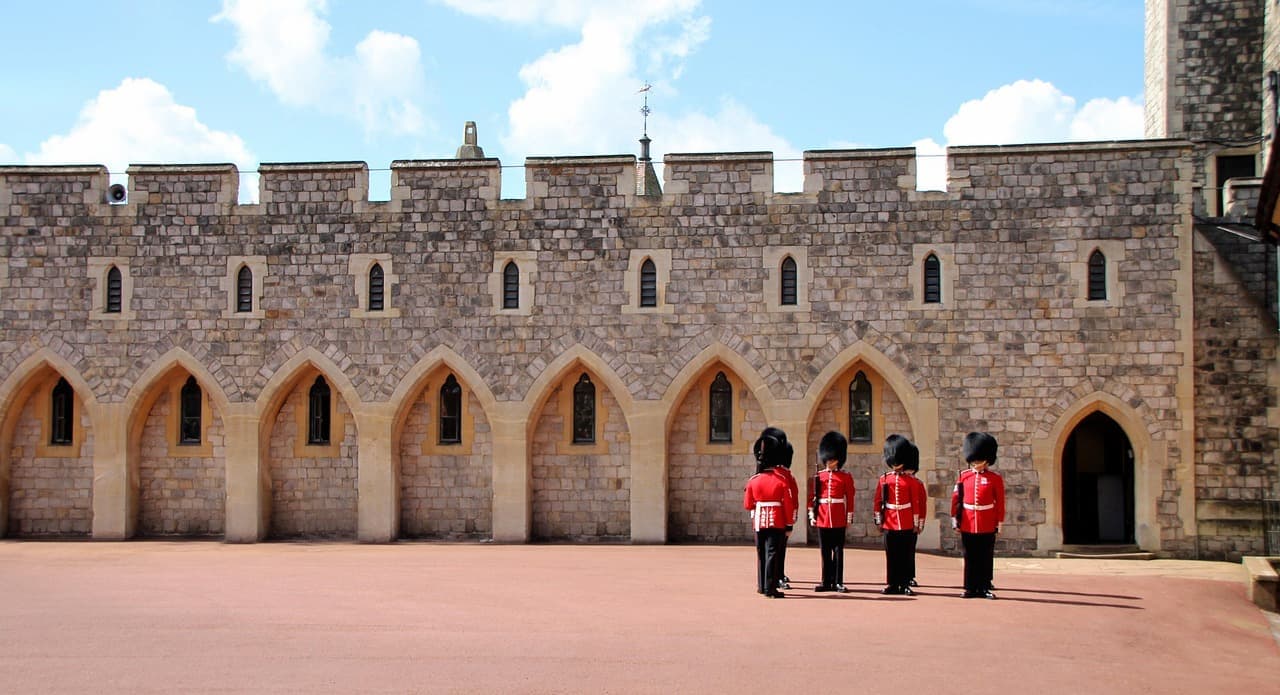
Buckingham Palace
Start your morning at Buckingham Palace, the official London residence of the British monarch. The palace is one of the city’s most recognizable landmarks and a natural starting point for a first visit to London.
Arrive early to enjoy the area before it becomes crowded. Walk around the Victoria Memorial and look through the palace gates before continuing toward St James’s Park.
The Changing of the Guard takes place on selected days rather than every day, and schedules can change. Check the official timetable before planning your visit around the ceremony.
St James’s Park
From Buckingham Palace, walk through St James’s Park, one of London’s oldest royal parks. The paths around the lake offer views of the palace, landscaped gardens, waterfowl, and the surrounding government buildings.
The park provides a quiet break between Buckingham Palace and Westminster. Cross the Blue Bridge for one of the best views back toward the palace and continue toward Horse Guards Parade and Whitehall.
St James’s Park is also one of many attractions you can enjoy without paying an entrance fee. See our guide to the best free things to do in London for more budget-friendly ideas.
Explore Westminster with a Local Guide
Westminster is packed with royal history, political stories, monuments, and details that are easy to miss when exploring alone. A walking tour can help explain how Buckingham Palace, Whitehall, Parliament, and Westminster Abbey are connected.
The experience adds context to the landmarks and introduces the stories behind the monarchy, government, and historic events that shaped this part of London.
Recommended tours
Westminster Abbey
Continue to Westminster Abbey, one of the most important religious and historic buildings in Britain. Coronations have taken place here for centuries, and the abbey contains memorials and burial places connected to monarchs, writers, scientists, and national figures.
Seeing the exterior is easy to include in a walking itinerary. Visiting the interior requires more time, so reserve around 90 minutes to two hours when you plan to enter.
Big Ben and the Houses of Parliament
A few steps from Westminster Abbey are the Houses of Parliament and the Elizabeth Tower, commonly known as Big Ben. Big Ben is technically the name of the great bell, although the name is widely used for the entire clock tower.
Cross Parliament Square for several good viewpoints, then walk onto Westminster Bridge for a wider view of the tower, Parliament, and the River Thames.
Walk Along the South Bank
Cross Westminster Bridge and continue along the South Bank. This riverside route provides views of Parliament and passes several well-known attractions, including the London Eye, street performers, cultural venues, cafés, and seasonal food stalls.
You do not need to visit every attraction. The main experience is the walk itself, with the Thames on one side and some of London’s most recognizable buildings on the other.
Continue as far as the Golden Jubilee Bridges rather than crossing back immediately at Westminster. This gives you a longer riverside walk and brings you back to the north side near Charing Cross, only about ten minutes from Covent Garden.
Evening in Covent Garden
Finish your first day in Covent Garden, a lively central district known for its covered market, historic streets, theatres, restaurants, and street performers.
Explore the Market Building and Apple Market before wandering through the smaller surrounding streets. Nearby Seven Dials and Neal’s Yard are also worth visiting when you still have time and energy.
Covent Garden has a wide selection of places to eat, making it a convenient area for dinner. It can be expensive around the main square, so walk a few streets farther away for more choice and potentially better value.
For more areas worth exploring beyond the main landmarks, read our guide to the best neighborhoods in London.
Day 1 Route at a Glance
Buckingham Palace → St James’s Park → Horse Guards Parade → Westminster Abbey → Big Ben and Parliament → Westminster Bridge → South Bank → Covent Garden
Allow approximately six to eight hours, depending on whether you enter Westminster Abbey, take a guided tour, or visit one of the paid attractions along the South Bank.
Day 2: The City of London
Day two explores the historic City of London, the oldest part of the capital. This compact district combines medieval lanes, Roman remains, grand churches, modern skyscrapers, and landmarks connected to nearly two thousand years of London history.
Begin near the Tower of London, continue across Tower Bridge, and then walk through the narrow streets of the old financial district before finishing beside the Thames at Millennium Bridge.
Tower of London
Start early at the Tower of London. This is the one attraction on today’s route that can easily take most of a morning, particularly when you visit the Crown Jewels, White Tower, walls, and exhibitions.
When the interior is a priority, arrive close to opening time and allow at least two to three hours. When you prefer a mostly free walking day, view the fortress from Tower Hill and the riverside before continuing to Tower Bridge.
Do not try to combine a long Tower visit with every other paid attraction on this route. Visiting both the Tower and the full interior of St Paul’s can make the day feel rushed.
Tower Bridge
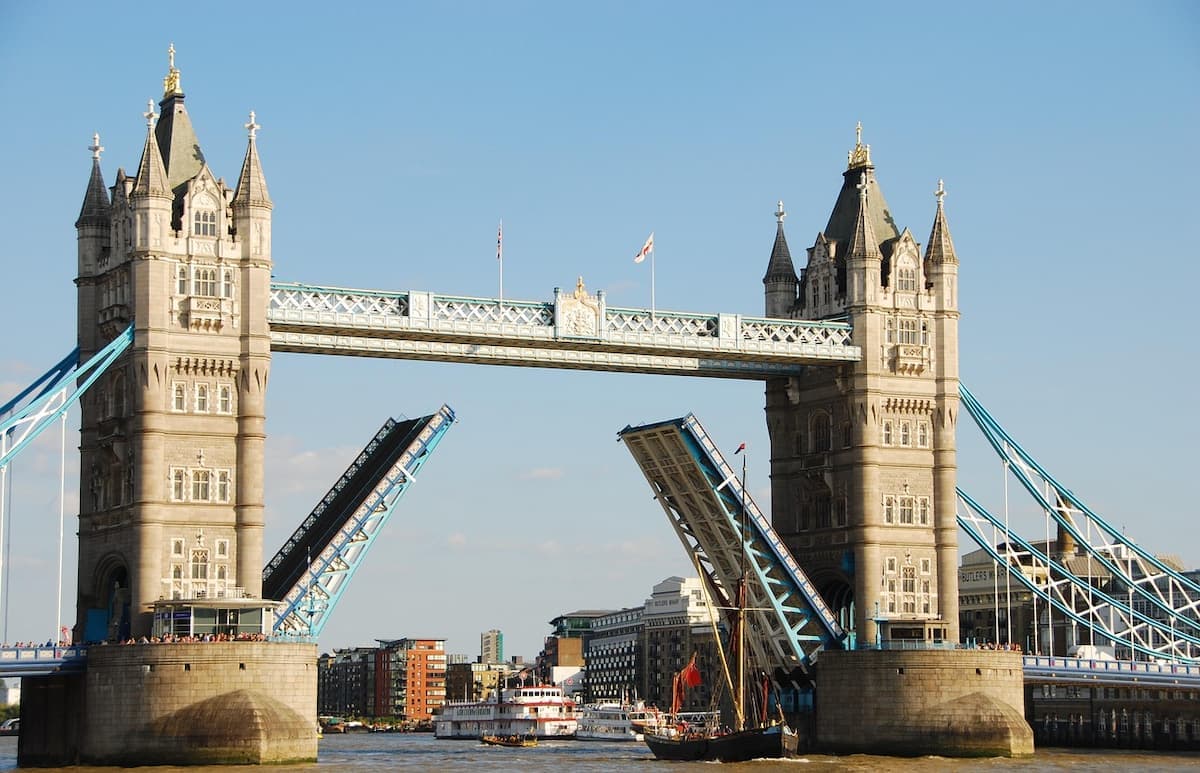
From the Tower of London, walk toward Tower Bridge. Completed in the late nineteenth century, it is one of London’s most recognizable structures and is often mistakenly called London Bridge.
Crossing the bridge on foot is free and gives you views of the Tower of London, the Thames, and the modern buildings around the City. The paid Tower Bridge Exhibition includes the upper walkways, glass floors, and Victorian engine rooms.
After crossing, walk along the southern riverbank for a view of the entire bridge before returning to the City side.
Explore the Old City with a Local Guide
The City of London contains hidden courtyards, historic churches, old trading streets, and stories that are easy to miss without local context. A guided walk can help explain how this small area developed from Roman Londinium into one of the world’s most important financial districts.
The route connects major landmarks with lesser-known details, local legends, and stories about trade, religion, politics, and daily life.
Recommended tours
Leadenhall Market
Continue to Leadenhall Market, a covered market with ornate Victorian architecture, colourful shopfronts, restaurants, and narrow passageways.
The area has been used for trading for centuries, although the current market structure largely dates from the nineteenth century. It is a good place to stop for coffee or lunch, especially on weekdays when the surrounding financial district is busiest.
Look beyond the central arcade and explore the smaller entrances and adjoining lanes, where you will find some of the market’s most photogenic details.
The Monument
Walk south toward The Monument to the Great Fire of London, built to commemorate the fire that destroyed much of the city in 1666.
The column stands close to where the fire began on Pudding Lane. Visitors can climb the spiral staircase to the viewing platform for elevated views across the City and the Thames.
Even when you do not climb it, the Monument is worth including for its historical importance. From here, continue west through the old City streets toward St Paul’s Cathedral.
St Paul’s Cathedral
St Paul’s Cathedral is one of London’s most famous buildings. The present cathedral was designed by Sir Christopher Wren after the Great Fire and has become a defining feature of the city skyline.
The cathedral has hosted major national ceremonies and contains memorials to important figures from British history. A paid visit includes the cathedral floor, the crypt, and access to the dome galleries when open.
For one of the best exterior views, walk to One New Change and look toward the dome from the surrounding pedestrian area. You can also view St Paul’s from the approach to Millennium Bridge.
Millennium Bridge
Finish the day by crossing Millennium Bridge, the pedestrian bridge linking St Paul’s Cathedral with the South Bank.
As you walk south, turn around for one of the most recognizable views of St Paul’s, framed by the bridge and surrounding buildings. Across the river, you will arrive near Tate Modern and Shakespeare’s Globe.
This area is a good place to continue into the evening. You can visit Tate Modern, walk along the river toward Borough Market, or find dinner around Bankside.
Day 2 Route at a Glance
Tower of London → Tower Bridge → Leadenhall Market → Monument → St Paul’s Cathedral → Millennium Bridge
Allow approximately six to eight hours, depending on whether you enter the Tower of London, climb the Monument, or visit the interior of St Paul’s Cathedral.
Day 3: Alternative and Local London
Your final day moves away from London’s royal and ceremonial landmarks to explore the creative streets, markets, food, and local character of East London.
Shoreditch
Start the morning in Shoreditch, one of London’s most creative neighborhoods. Former warehouses, workshops, and industrial buildings now house independent cafés, galleries, restaurants, vintage shops, and small businesses.
The area changes quickly, but its side streets still reveal layers of local history and contemporary culture. Walk around Redchurch Street, Great Eastern Street, and the streets near Shoreditch High Street before continuing toward Brick Lane.
Shoreditch is best explored slowly. Some of its most interesting details are found on shutters, doorways, alley walls, and buildings that may look ordinary at first glance.

Discover Shoreditch Street Art with a Local Guide
Street art is one of the main reasons to visit Shoreditch, but many works are temporary and easy to overlook. A guided tour can help you find both large murals and smaller pieces while explaining the artists, techniques, and stories behind them.
It is a useful way to understand how the area’s street-art scene changes over time and to notice works you might otherwise walk past.
Recommended tours
Brick Lane
Continue to Brick Lane, a street known for its multicultural history, food, markets, vintage shops, music venues, and street art.
The surrounding area has been shaped by several communities over the centuries, and traces of this history remain visible in its religious buildings, businesses, restaurants, and street names.
Walk the full length of Brick Lane rather than staying only near the busiest market section. Explore the side streets around Hanbury Street, Fashion Street, and Princelet Street, where you may find murals, historic houses, and quieter corners.
Brick Lane is also a convenient place for lunch. Popular choices include curries, bagels, street food, and dishes from independent restaurants and market stalls.
Spitalfields Market
From Brick Lane, walk to Old Spitalfields Market, a covered market surrounded by shops, restaurants, and historic streets.
The market sells clothing, crafts, food, gifts, and design products, with the selection changing depending on the day. It is more polished than some of East London’s smaller markets but remains a useful stop for lunch, shopping, or a short break.
After visiting the market, explore nearby streets such as Fournier Street and Artillery Passage. These areas show a quieter and more historic side of Spitalfields.
Afternoon Option 1: Camden
Choose Camden when: you enjoy busy markets, street food, alternative fashion, music history, and a lively atmosphere.
Take the Underground from East London and spend the afternoon exploring Camden Market, the canalside, food stalls, vintage shops, and the streets around Camden High Street.
Walk along Regent’s Canal toward Primrose Hill when you want a quieter route and a panoramic view of London. Camden is lively and often crowded, particularly on weekends, so allow extra time to move through the market areas.
Camden is the easier choice when markets and nightlife are the main interests. Choose Camden when you prefer markets, alternative fashion, live music history, and a busy atmosphere.
Afternoon Option 2: Greenwich
Choose Greenwich when: you prefer open spaces, maritime history, riverside scenery, and a slower final afternoon.
Travel by train, Underground, or river boat and visit Greenwich Market, the Old Royal Naval College, the Cutty Sark area, and Greenwich Park.
Walk up the hill to the Royal Observatory viewpoint for one of the best views across Canary Wharf and central London. Greenwich requires more travel time than Camden, but it offers a very different side of the city.
When you choose Greenwich and prefer a slower evening, stay by the river for dinner rather than returning to Whitechapel. The evening walk is optional and works best for travellers who still have enough time and energy.
Evening Walk Through Historic East London
Return to East London in the evening for a walk through Whitechapel and the streets around Spitalfields. This part of London is closely connected to the social history of Victorian London and one of the city’s most famous unsolved cases.
Choose between a tip-based free tour and a paid Jack the Ripper experience, depending on the format and schedule that suit you best.
Recommended tours


LONDON, UNITED KINGDOM
Free Jack the Ripper Tour: London’s Most Notorious Mystery
2 hours · Free Tour

LONDON, UNITED KINGDOM
Jack the Ripper Mystery Walks
1h 40m · Historical Tour
From
Day 3 Route at a Glance
Shoreditch → Brick Lane → Spitalfields Market → Camden or Greenwich → Evening walk in Whitechapel
Allow approximately seven to nine hours, depending on which afternoon option you choose and whether you join a guided street-art or evening history tour.
East London also contains quiet courtyards, unusual architecture, and lesser-known historic corners. Discover more places away from the main tourist route in our guide to London’s best hidden gems.
Before You Start
This itinerary includes three full days of sightseeing, so comfortable shoes are essential. Most routes are walkable, but you will still use public transport between neighborhoods. Contactless payment is usually the easiest option for the Underground and buses.
Book major attractions in advance when visiting during busy periods, especially the Tower of London, Westminster Abbey, and St Paul’s Cathedral. Do not worry when you cannot fit everything in. Skip an interior visit, shorten a riverside walk, or spend more time in the neighborhood you enjoy most. London is better experienced at a comfortable pace than rushed from one landmark to the next.
Make the most of your three days in London with guided walks covering royal landmarks, ancient streets, creative neighborhoods, local stories, and memorable evening experiences.
LONDON, UNITED KINGDOM
Free Jack the Ripper Tour: London’s Most Notorious Mystery
2 hours · Free Tour

LONDON, UNITED KINGDOM
Misguided Tour of London: A FREE Walking Tour
1h 15m · Free Tour

LONDON, UNITED KINGDOM
Chocolate Tasting Tour
2 hours · Food Tour
From
LONDON, UNITED KINGDOM
Jack the Ripper Mystery Walks
1h 40m · Historical Tour
From
For Local Guides and Tour Operators
Do you run tours in London? Join DiscoverYourTour and reach more travelers.
Already have your tour online?
Import your existing listing in minutes
Paste your tour URL and we'll create your listing automatically. No setup fees, no exclusivity, and full control over your tours.

Last reviewed: July 2026. Opening hours, admission prices, and public-transport arrangements can change, so check official attraction and transport information before travelling.