Understanding Prague’s Historic Districts
Demystify central Prague's historic districts. Discover how Old Town, Lesser Town, and Josefov connect, with a logical self-guided walking route.
Prague’s historic centre looks compact on a map, but its neighbourhood names can be surprisingly confusing.
A hotel may describe itself as being near the Old Town while technically standing in the New Town. Prague Castle is often grouped with Lesser Town, even though it belongs to a different historic district. Charles Bridge appears on almost every central walking route, but the bridge is not a district of its own.
The confusion exists because Prague did not begin as one unified city. For centuries, several separate towns developed beside one another, each with its own streets, markets, churches, walls, and local administration.
The three districts most visitors encounter during a walk through central Prague are:
- Malá Strana, usually called Lesser Town
- Staré Město, or Old Town
- Josefov, Prague’s former Jewish Town
These districts are close enough to explore on foot, but each has a different history and atmosphere. Understanding how they fit together makes the city easier to navigate and helps explain why Prague changes so noticeably as you cross the Vltava River.
Prague’s Historic Districts at a Glance
The easiest way to understand central Prague is to start with the river.
On the western side of the Vltava, beneath Prague Castle, lies Malá Strana. Charles Bridge crosses the river from Lesser Town into Staré Město. Continue north from Old Town Square and you reach Josefov.
A simple central route looks like this:
Malá Strana → Charles Bridge → Staré Město → Josefov
Two other names often cause confusion.
Hradčany is the Castle District above Lesser Town. It includes Prague Castle and the surrounding palaces, churches, squares, and historic streets.
Nové Město, or New Town, borders the Old Town mainly to the south and east. Despite its name, it was founded in the fourteenth century.
The boundaries are not always obvious when you are walking. Prague’s former walls and gates have largely disappeared, and the historic districts now connect without clear modern borders.
Malá Strana: Prague’s Lesser Town
Malá Strana means “Lesser Side” in Czech and is generally translated as Lesser Town.
The name does not mean that the area is less important. It reflects its position and smaller size compared with the larger settlement that developed on the opposite bank of the river.
Lesser Town sits between the Vltava and the hill leading toward Prague Castle. Its streets contain baroque palaces, churches, embassies, gardens, courtyards, and old houses built along sloping lanes.
The neighbourhood often feels calmer than the Old Town. The streets are narrower, the terrain becomes steeper away from the river, and views of Prague Castle appear between rooftops and church towers.
Why Does Lesser Town Feel Different?
The district developed beneath the royal castle and became closely connected to noble families, religious institutions, diplomats, and the royal court.
After destructive fires, many buildings were reconstructed in Renaissance and baroque styles. Aristocratic families built palaces near the castle, while churches and monasteries became prominent parts of the neighbourhood.
This gave Lesser Town a different identity from the Old Town, which was more strongly associated with merchants, markets, and commercial life.
Several former palaces are now used by embassies, government institutions, or cultural organisations.
Main Places to See in Lesser Town
Some of the best-known places in Malá Strana include:
- Malostranské náměstí
- St Nicholas Church
- Kampa Island
- Lennon Wall
- Wallenstein Garden
- Nerudova Street
- Lesser Town Bridge Towers
Malostranské náměstí is the district’s main square. From here, streets lead uphill toward Prague Castle, downhill toward the river, and across the neighbourhood toward Kampa and Charles Bridge.
Avoiding Transport Confusion: Malostranská vs. Malostranské Náměstí
These similar names regularly confuse visitors.
Malostranská is the name of a metro station and nearby tram stop. Malostranské náměstí is the main square of Lesser Town.
They are within walking distance, but they are not the same place. When joining a tour, check whether the meeting point refers to the station, the tram stop, or the square.
Charles Bridge Connects Two Historic Towns
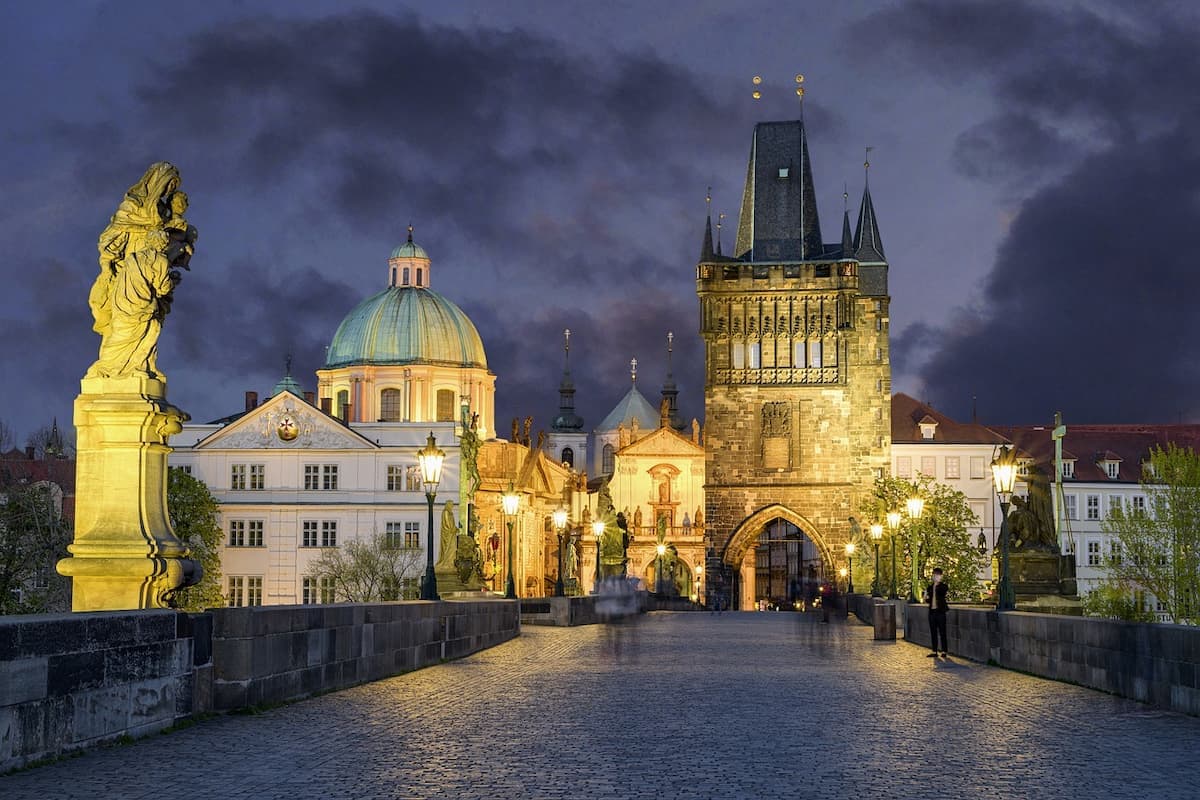
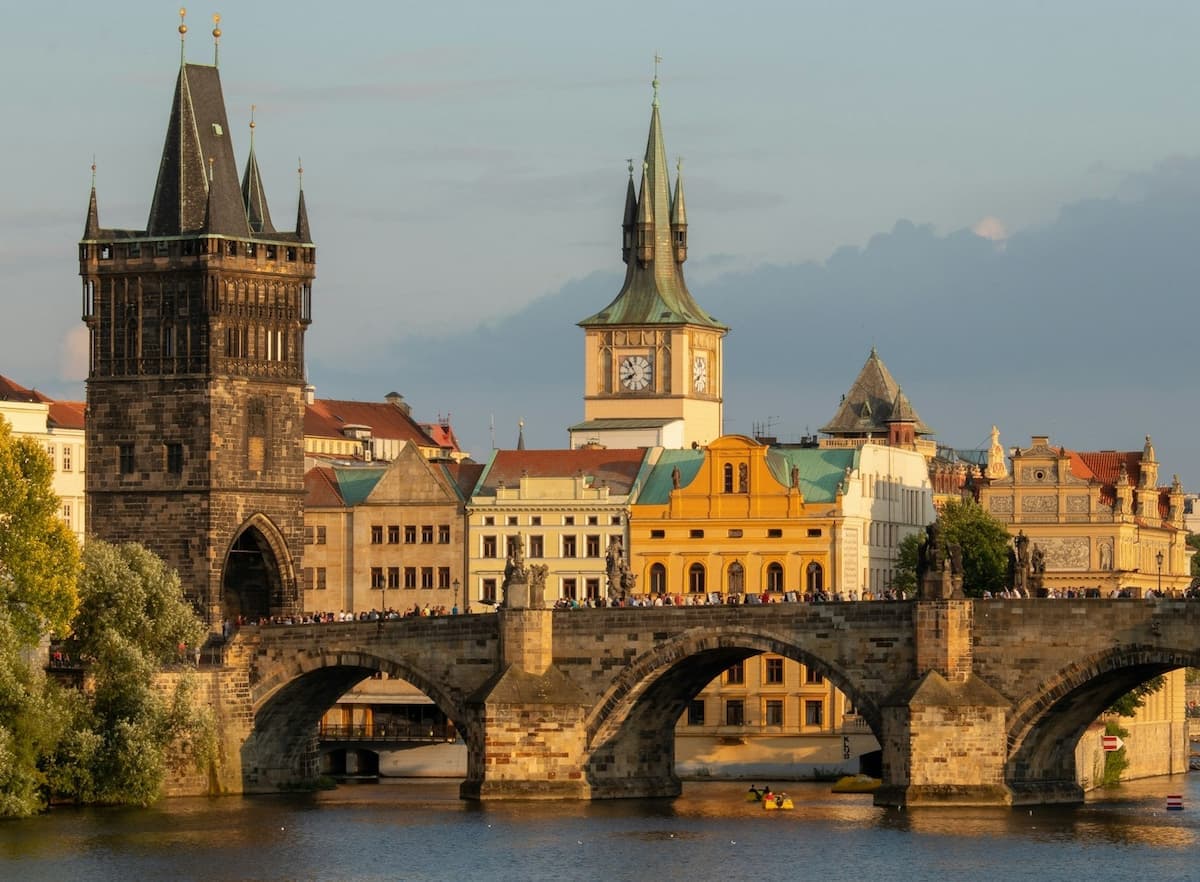
Charles Bridge is one of Prague’s most recognisable landmarks, but it is not a separate neighbourhood.
The bridge connects Malá Strana on the western bank with Staré Město on the eastern bank. Crossing it means moving from one historic district into another.
At the Lesser Town end, the entrance is marked by the Lesser Town Bridge Towers. On the opposite side, visitors pass beneath the Old Town Bridge Tower before entering the streets of Staré Město.
Before Prague had its modern bridges and transport network, this river crossing played a crucial role in the movement of people, goods, and royal processions through the city.
The bridge formed part of the traditional route linking the Old Town with Prague Castle. It was therefore more than a practical crossing: it joined the commercial centre on one side of the river with the royal and aristocratic districts on the other.
A famous story claims that the foundation stone was laid at 5:31 in the morning on 9 July 1357. Written as a single chronological sequence—year (1357), day and month (9/7), and time (5:31)—it forms a perfect palindrome:
1-3-5-7-9-7-5-3-1
The story is often connected to Emperor Charles IV and his interest in astrology and numerology. It is one of Prague’s most memorable legends, although the perfectly arranged sequence should not be treated as unquestioned historical fact.
Staré Město: Prague’s Old Town
Staré Město means Old Town and forms the historic commercial centre of Prague.
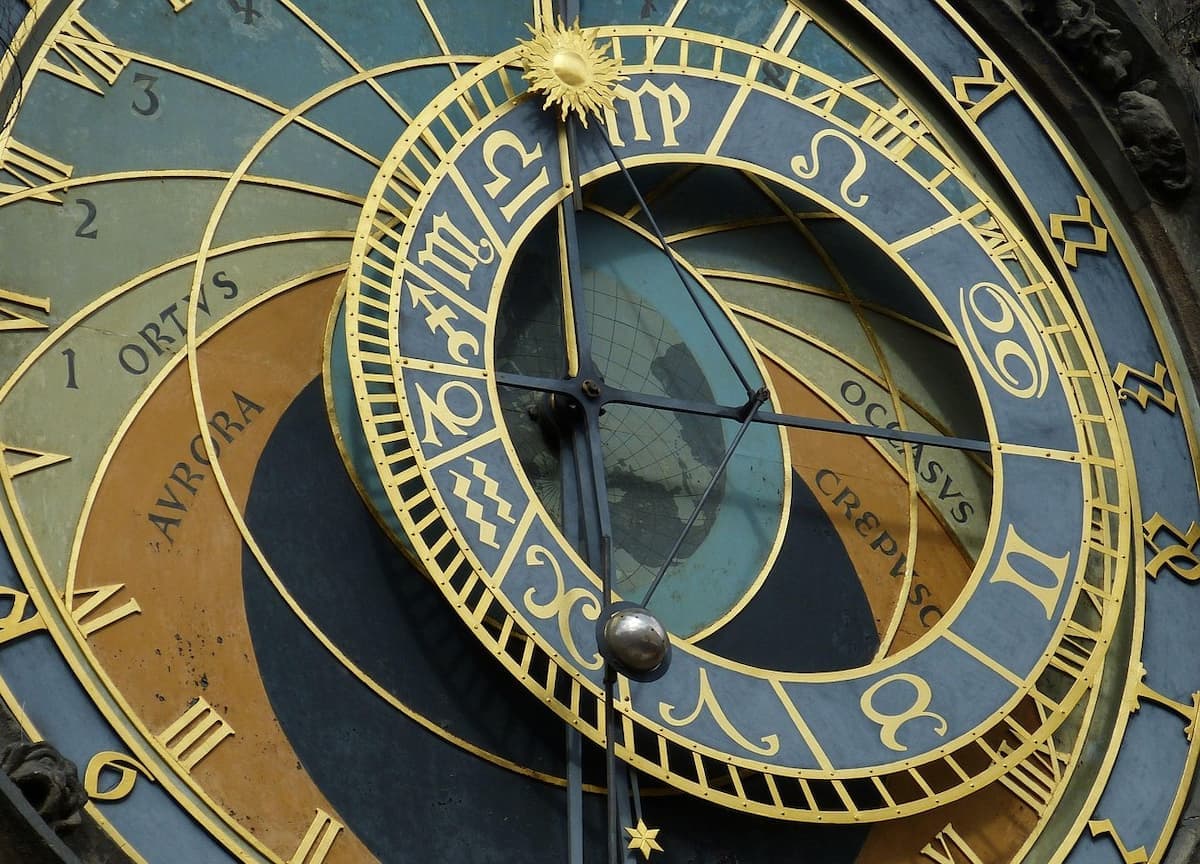
This is the district many first-time visitors picture when thinking about the city. It contains Old Town Square, the Astronomical Clock, the Church of Our Lady before Týn, medieval lanes, civic buildings, churches, towers, and former merchant houses.
The Old Town developed around important trade routes and market activity. Merchants passed through the area from different parts of Europe, helping it grow into an influential economic centre.
Old Town Does Not Mean All of Central Prague
The term “Old Town” is often used casually for Prague’s entire historic centre, but Staré Město is one specific district.
Prague Castle is not in the Old Town. Lesser Town is not part of the Old Town. Wenceslas Square belongs to the New Town, while Josefov has its own distinct history.
This matters when choosing accommodation or planning a route. Two places described as being in “central Prague” may stand in different historic districts on opposite sides of the river.
Old Town Square
Old Town Square developed as a marketplace and became one of Prague’s main centres of public and commercial life.
Important landmarks around the square include:
- Old Town Hall
- Prague Astronomical Clock
- Church of Our Lady before Týn
- St Nicholas Church
- Jan Hus Memorial
- historic merchant houses
The buildings do not all belong to the same period. Gothic towers, baroque façades, medieval foundations, restored houses, and later additions stand side by side.
This mixture of styles is typical of Prague. Buildings that appear visually harmonious may contain several centuries of changes.
Why Are the Streets So Irregular?
The streets around the Old Town do not follow a modern grid.
They developed around old market routes, churches, gates, property boundaries, and defensive walls. This produced narrow lanes, sudden corners, short passages, and small squares.
The compact layout makes the area enjoyable to explore, but it can also be disorienting. Major landmarks such as the Týn towers, Powder Tower, Old Town Hall, and the river are useful reference points.
Josefov: Prague’s Former Jewish Town
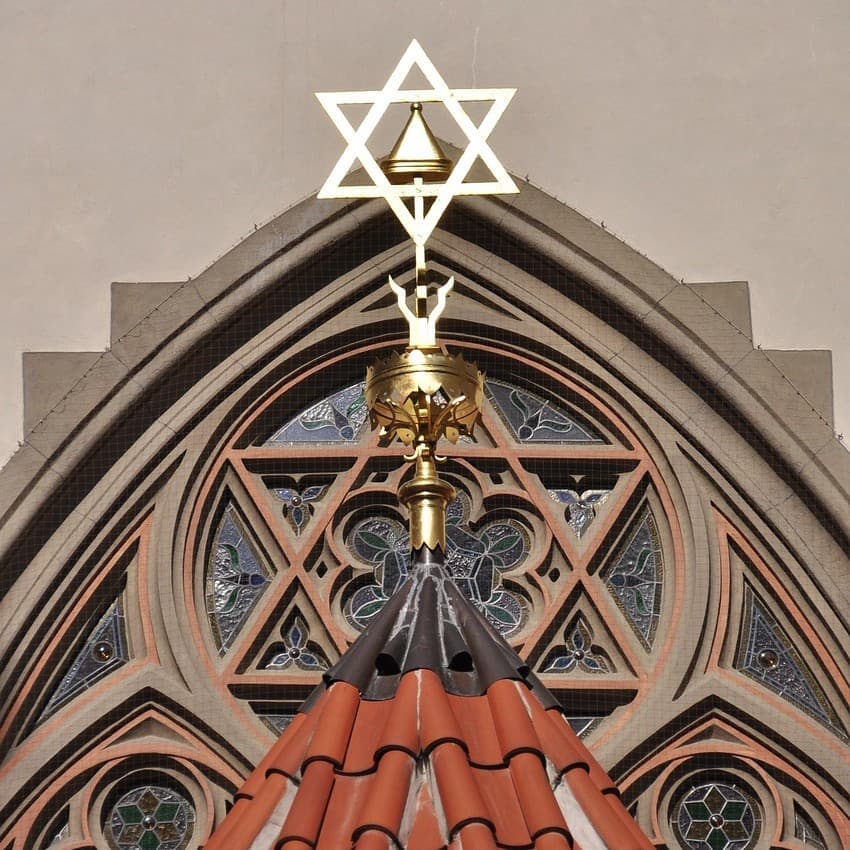
Josefov is Prague’s historic Jewish Quarter.
It lies directly north of Old Town Square and is surrounded by the Old Town. The district contains important synagogues, the Old Jewish Cemetery, ceremonial buildings, memorials, and sites connected to centuries of Jewish life in Prague.
However, the streets visitors see today are very different from those of the former Jewish Town.
Large sections of the old neighbourhood were demolished and rebuilt around the end of the nineteenth and beginning of the twentieth century. Narrow alleys, courtyards, and crowded residential buildings were replaced by broad streets and decorative apartment blocks.
This is why Josefov can look more elegant and spacious than visitors expect from a former ghetto.
Why Is It Called Josefov?
The name is connected to Emperor Joseph II.
His reforms during the late eighteenth century changed parts of Jewish life within the Habsburg lands. The former Jewish Town was later named Josefov in recognition of those reforms.
The name therefore belongs to a later chapter of the district’s history rather than its earliest origins.
What Survived?
Although much of the old neighbourhood disappeared, several major religious and historical sites remained.
These include:
- Old-New Synagogue
- Spanish Synagogue
- Pinkas Synagogue
- Klausen Synagogue
- Maisel Synagogue
- Old Jewish Cemetery
- Jewish Town Hall
- Ceremonial Hall
These places preserve parts of the community’s religious, cultural, and social history.
Some buildings can be viewed from public streets, but entering the synagogues, cemetery, and museum sites generally requires an admission ticket.
More Than a Group of Monuments
Josefov should not be understood only as a collection of individual attractions.
Its history includes religious life, scholarship, community traditions, legal restrictions, discrimination, reform, redevelopment, persecution, and remembrance.
The elegant streets visible today were created after much of the former Jewish Town had already disappeared. The surviving synagogues and cemetery are therefore fragments of a much larger historical neighbourhood.
What About New Town and Prague Castle?
New Town and the Castle District are important, but they do not form part of the main three-district route described above.
Nové Město, or New Town, was founded in 1348. It includes Wenceslas Square, the National Museum, Charles Square, Národní třída, and several places connected to World War II, communist rule, and the Velvet Revolution.
Hradčany is the district surrounding Prague Castle. It includes St Vitus Cathedral, historic palaces, monasteries, squares, and streets above Lesser Town.
Prague Castle is therefore not located in Malá Strana, although visitors frequently explore both areas during the same day. It sits above Malá Strana in the district of Hradčany, which is why the two are often bundled together.
The Best Route Through the Three Districts
For a first visit, a natural route begins in Malá Strana, crosses Charles Bridge, continues through Staré Město, and ends in Josefov.
A possible walking order is:
Malostranská → Malá Strana → Lennon Wall → Charles Bridge → Old Town Square → Astronomical Clock → Josefov
This route works well because the character of the city changes gradually.
You begin among the palaces and quieter streets beneath Prague Castle. Charles Bridge provides wide views across both riverbanks. The Old Town introduces busier commercial streets and civic landmarks, while Josefov reveals another layer of Prague’s religious, architectural, and social history.
Explore Prague’s Historic Districts with a Local Guide
The three districts are close together, but many of their most important stories are not immediately visible.
A local guide can explain why the towns developed separately, how Charles Bridge connected them, what disappeared during the redevelopment of Josefov, and why buildings from different periods now stand beside one another.


How Much Time Do You Need?
You can walk through Lesser Town, cross Charles Bridge, visit Old Town Square, and continue into Josefov in approximately two to three hours.
Allow more time when you plan to:
- enter churches or synagogues
- visit the Old Jewish Cemetery
- explore Kampa Island
- stop for photographs
- visit museums
- enter Prague Castle
- take breaks for food or coffee
A guided walk can provide an introduction to the main districts in one continuous route. Detailed visits to Prague Castle or the Jewish Museum require additional time.
Common Mistakes About Prague’s Districts
Charles Bridge is not a separate district.
It connects Lesser Town and Old Town.
Prague Castle is not in the Old Town.
It stands in Hradčany, above Lesser Town.
Wenceslas Square is not in the Old Town.
It belongs to New Town.
New Town is not modern.
It was founded in the fourteenth century.
Malostranská is not Malostranské náměstí.
One refers to the station area; the other is Lesser Town’s main square.
Old Town does not mean the entire historic centre.
It is one district within a larger collection of historic areas.
Prague Is Easier to Understand on Foot
Prague is often described as a preserved medieval city, but its appearance is more complicated than that.
The centre contains medieval street patterns, gothic churches, Renaissance details, baroque palaces, nineteenth-century apartment buildings, modern memorials, and reconstructed façades.
Each district reveals a different part of that development.
Malá Strana reflects the world beneath the castle, shaped by palaces, churches, and noble families. Staré Město grew around trade, markets, merchants, and civic institutions. Josefov preserves fragments of the former Jewish Town within a later urban landscape.
Walking between them is not simply a route connecting famous attractions. It is a journey through several historic towns that gradually became one city.
Explore Prague with guided walks through its historic districts, famous landmarks, local stories, and important locations connected to the city’s past.


Make the most of your visit to Prague by exploring the city with people who know it best. Browse our Prague tours and local experiences and find a tour that suits your trip.
For Local Guides and Tour Operators
Do you run tours in Prague? Join DiscoverYourTour and reach more travelers.
Already have your tour online?
Import your existing listing in minutes
Paste your tour URL and we'll create your listing automatically. No setup fees, no exclusivity, and full control over your tours.

Last reviewed: August 2026. Opening hours, admission conditions, meeting points, and public-transport arrangements can change, so check official information before travelling.