Is Quito Safe for Tourists in 2026?
Wondering if Quito is safe for tourists? Discover the latest safety tips, safest neighborhoods, common scams, and practical advice for visiting Ecuador's historic capital with confidence.

Is Quito Safe for Tourists in 2026?
Quito is generally safe to visit, as long as you take the same precautions you would in any large city.
Petty theft, phone snatching and occasional robberies do happen, especially in crowded places, on public transport and after dark. Ecuador also has increased travel warnings because of crime and civil unrest, although the most serious warnings mainly apply to areas outside Quito.
Most visitors can enjoy the city without problems by staying in popular tourist areas, using reliable transport and avoiding quiet or unfamiliar streets at night.
Safety conditions can change, so always check the latest official advice before traveling:
- Ecuador Travel Advisory – U.S. Department of State
- Ecuador Travel Advice – UK Foreign, Commonwealth & Development Office
- Ecuador Travel Advice – Australian Government
- Quito Tourist Safety Center
- Ecuador Travel – Travel Safe
You should also check for updates from your airline, accommodation provider or tour operator shortly before departure.
Quito Safety at a Glance
| Situation | General advice |
|---|---|
| Historic Center during the day | Generally suitable for sightseeing; remain alert in crowds |
| Historic Center after dark | Use a registered taxi or ride-hailing service |
| Public transportation | Watch for pickpocketing and phone theft |
| Walking alone at night | Not recommended in quiet or unfamiliar areas |
| Airport transfers | Pre-arrange transport or use an official service |
| Emergency number | Call ECU 911 |
| Main concern for tourists | Opportunistic theft and robbery |
How Safe Is Quito Compared to Other South American Cities?
Quito often receives an unfair reputation online.
Many travelers arrive expecting a dangerous city and leave pleasantly surprised. The historic center is filled with beautiful colonial architecture, lively plazas, museums, and friendly locals. Thousands of tourists explore Quito every day without incident.
However, Quito is still a major capital city. The most common issues visitors encounter are:
- Pickpocketing
- Phone theft
- Bag snatching
- Taxi scams
- Opportunistic theft in crowded areas
Violent crime involving tourists is relatively uncommon in the city's main visitor districts.
The Safest Areas to Stay in Quito
Choosing the right neighborhood can make a big difference to your experience in Quito. If you're still deciding where to stay, our guide to Which neighborhood to stay in Quito? compares the city's most popular areas, helping you find the best location based on your travel style, budget, and interests.
Historic Center (Centro Histórico)
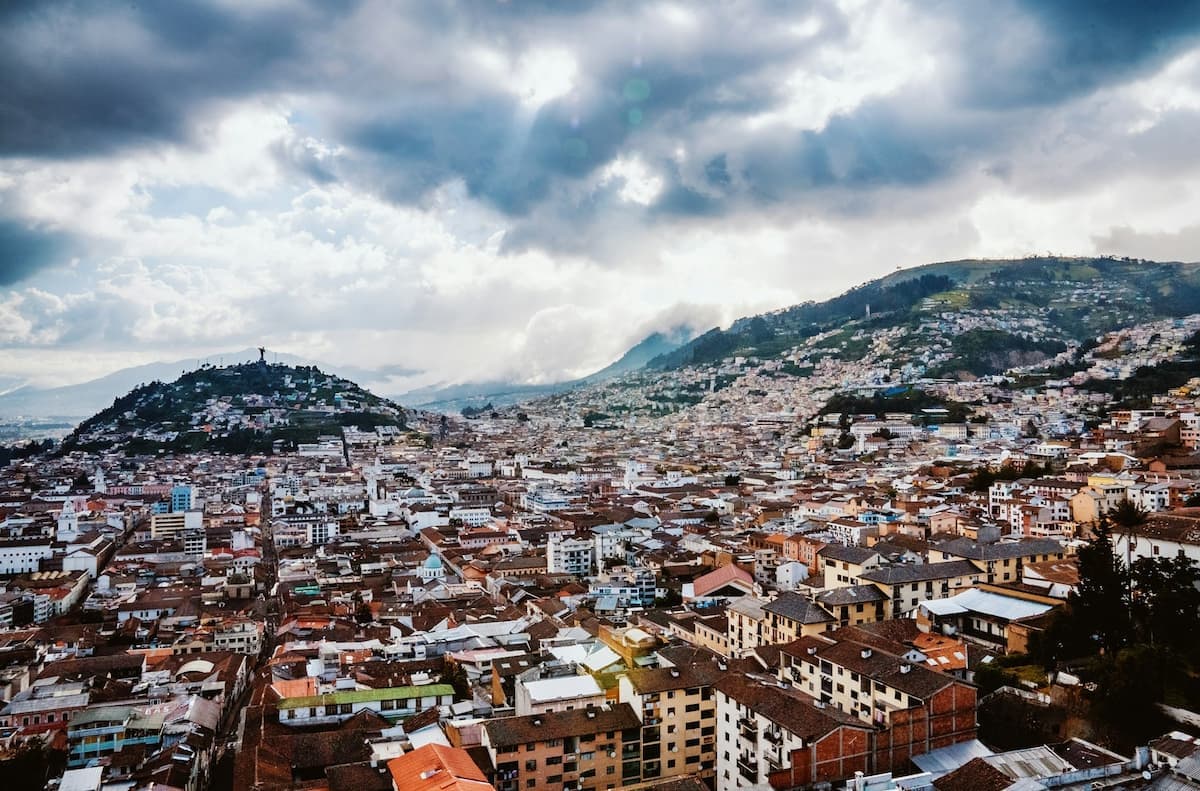
Quito's Historic Center is one of the best preserved colonial districts in South America and a UNESCO World Heritage Site.
Excellent for architecture and daytime sightseeing. Some streets become very quiet after businesses close, so avoid wandering through unfamiliar areas at night. Police presence and guided tour groups are common throughout the area.
After dark, some streets become quieter, so using a taxi or rideshare is generally recommended.
La Mariscal
Convenient for nightlife and budget accommodation, but visitors should be particularly alert late at night and around bars or quiet side streets. La Mariscal is Quito's most popular area for backpackers and younger travelers.
You'll find:
- Restaurants
- Bars
- Hostels
- Cafés
- Nightlife
While generally safe, visitors should remain aware of their surroundings, particularly late at night.

La Carolina
Popular with travelers looking for modern hotels, restaurants and shopping. The area is usually busy during the day, but visitors should still use trusted transportation after dark. This modern district is popular with business travelers, families, and visitors looking for comfortable accommodation.
The area offers:
- Shopping centers
- Modern hotels
- Restaurants
- Parks
- Good transport connections
Many travelers consider it one of the safest areas in Quito.
Explore Quito with Local Guides
Recommended tours


QUITO, ECUADOR
Historical and Cultural Free Walking Tour of Quito
3 hours · Free Tour

QUITO, ECUADOR
Free Photographic Tour of Quito
3h 20m · Free Tour

QUITO, ECUADOR
Quito Between Huecas and Chocolate: Free Gastronomic Walking Tour
3h 30m · Free Tour
Common Tourist Scams in Quito
Most visitors experience no problems, but knowing about common scams can help you avoid unpleasant surprises.
Unofficial Taxis
Avoid accepting rides from individuals approaching you on the street.
Instead, use:
- Registered taxis
- Ride hailing apps
- Hotel arranged transportation
Distraction Thefts
A common tactic involves creating a distraction while an accomplice targets your belongings.
This can happen in:
- Markets
- Bus stations
- Public squares
- Busy tourist attractions
Keep valuables secure and stay aware of your surroundings.
Fake Assistance
Occasionally, strangers may offer unsolicited help with directions, transportation, or currency exchange.
Politely decline unless assistance is genuinely needed.
Is Quito Safe at Night?
Quito can be enjoyed after dark, but additional precautions are advisable.
If you're going out in the evening:
- Stick to busy areas.
- Avoid poorly lit streets.
- Use taxis or rideshare services.
- Travel with others when possible.
- Keep valuables out of sight.
Many travelers safely enjoy Quito's restaurants, bars, and cultural events every night.

Is Public Transportation Safe?
Public transportation is widely used throughout Quito.
The main concern for tourists is petty theft rather than personal safety.
If using buses or public transit:
- Keep bags zipped.
- Carry valuables in front of you.
- Stay alert during rush hour.
- Avoid displaying expensive electronics.
Many visitors prefer taxis and rideshare apps for convenience and additional peace of mind.
Practical Safety Tips for Quito
Airport Transfers
Arrange your airport transfer through your hotel, accommodation provider or a trusted transport service whenever possible. At the airport, use an official taxi desk or a reputable ride-hailing app.
Avoid accepting rides from drivers who approach you inside or outside the terminal. Before starting your journey, check the vehicle registration and share the trip details with someone you trust.
ATM and Card Safety
Use ATMs located inside banks, hotels or shopping centers whenever possible. Avoid withdrawing large amounts of cash and put your money and bank card away before leaving the ATM.
Keep some emergency cash separate from your wallet and check your bank transactions regularly during your trip.
Good to know: Ecuador uses the US dollar (USD) as its official currency, so American travelers do not need to exchange money. Cash is useful for small purchases, markets, taxis and tips. Carry smaller notes such as $1, $5, $10 and $20, as some businesses may not accept or be able to change $50 or $100 bills.
Protect Your Phone
Phone snatching can happen in busy streets, on public transport and near open vehicle windows.
Avoid holding your phone close to the roadside. When checking directions, step inside a café, hotel, shop or another busy indoor location.
Demonstrations and Civil Unrest
Protests and demonstrations can occur with little notice and may disrupt roads and public transportation.
Avoid large gatherings, follow instructions from local authorities and check local news before traveling across the city. Do not attempt to walk through roadblocks or demonstrations.
What to Do in an Emergency in Quito
- Call ECU 911 for police, ambulance or fire services.
- Contact your accommodation or tour provider for local assistance.
- Block stolen bank cards immediately.
- Report passport theft to the police and contact your embassy or consulate.
- Keep digital copies of your passport, insurance and emergency contacts.
Safety Tips for First Time Visitors
Following a few simple habits will greatly reduce your chances of encountering problems.
Keep Valuables Hidden
Avoid displaying:
- Luxury watches
- Expensive cameras
- Large amounts of cash
- Designer handbags
Carry Only What You Need
Leave unnecessary valuables and important documents secured in your accommodation whenever possible.
Stay Aware
Most tourist thefts target distracted visitors.
Pay attention to your surroundings, especially in crowded locations.
Is Quito Safe for Solo Travelers?
Quito is visited by many solo travelers, but traveling alone requires additional awareness. Stay in a well-reviewed central neighborhood, avoid walking alone through quiet areas after dark and arrange trusted transportation for evening journeys.
By staying in well-known neighborhoods, keeping valuables secure, using trusted transportation, and paying attention to your surroundings, most travelers enjoy a safe and memorable visit.
Is Quito Worth Visiting Despite the Safety Concerns?
For many travelers, yes. Quito’s Historic Center, museums, markets and Andean scenery make it one of Ecuador’s most interesting destinations. However, visitors should plan their transportation carefully and stay informed about current local conditions.
Quito offers:
- Stunning colonial architecture
- Rich history
- Incredible mountain scenery
- Vibrant local culture
- Excellent food
- Easy access to nearby attractions
Many visitors consider it one of South America's most underrated capitals.

Discover Quito with a Local Guide
If you're visiting Quito for the first time, joining a guided walking tour is one of the best ways to explore the city safely and confidently.
You'll learn about Quito's fascinating history, discover neighborhoods that many visitors miss, and receive practical local advice about transportation, restaurants, safety, and hidden gems.
Whether you're interested in history, food, photography, culture, or local life, a guided experience can help you make the most of your time in Ecuador's capital.
Ready to Explore Quito?
Discover Quito's history, culture, food, hidden gems, and surrounding landscapes with expert local guides.
QUITO, ECUADOR
Historical and Cultural Free Walking Tour of Quito
3 hours · Free Tour

QUITO, ECUADOR
Otavalo market & Cuicocha lagoon day Tour
10 hours · Cultural Experience
From

QUITO, ECUADOR
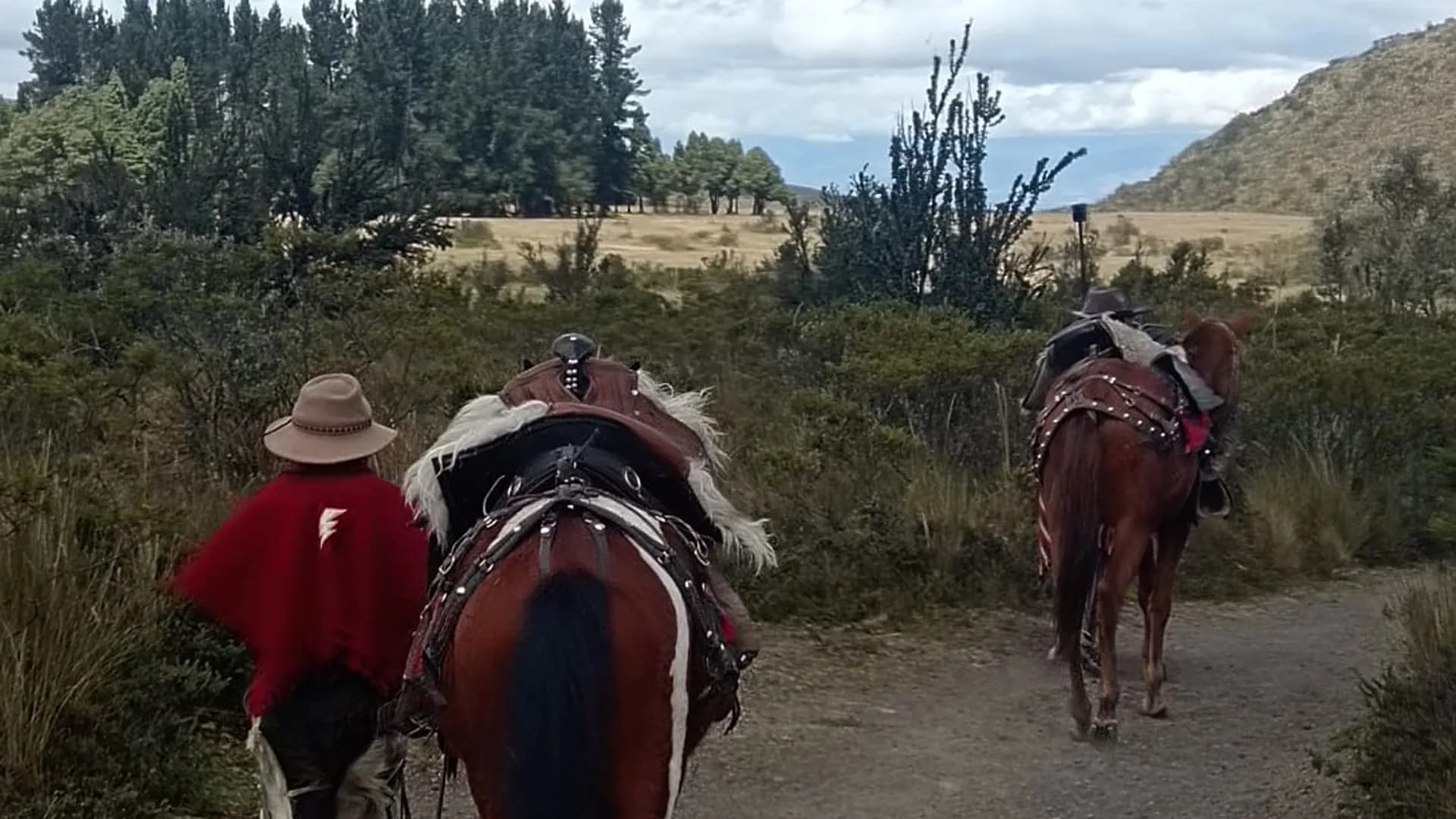
Cotopaxi Horseback Ride & Quilotoa Crater Lake Day Tour
10 hours · Nature & Wildlife
From

QUITO, ECUADOR
Quito City Tour: Chocolate & Equator Experience
8 hours · Art & Museums
From

QUITO, ECUADOR
Sleep Among Giants: Ecuador VIP Experience
192 hours · Private Tour
From

QUITO, ECUADOR
Land of Andes and Jungle: Ecuador VIP Experience
216 hours · Private Tour
From

QUITO, ECUADOR
Land of Seas and Rivers: Ecuador VIP Experience
216 hours · Private Tour
From

QUITO, ECUADOR
Dark Quito: History of Power and Death
3h 30m · Walking Tour
From

QUITO, ECUADOR
Between Domes and Coffee: Historic Quito and Local Flavors
3h 30m · Walking Tour
From

So, Is Quito Safe for Tourists?
For most visitors, the answer is yes.
Like any major city, Quito requires a bit of awareness and common sense. By staying in well known neighborhoods, keeping valuables secure, using trusted transportation, and paying attention to your surroundings, most travelers enjoy a safe and memorable visit.
What makes Quito truly special is the combination of history, culture, and breathtaking Andean scenery. From the UNESCO listed Historic Center and its colonial landmarks to vibrant local markets, panoramic viewpoints, and nearby natural attractions, Ecuador's capital offers far more than many visitors expect.
Planning the rest of your trip? Don't miss our guide to Which neighborhood to stay in Quito? to choose the ideal area for your visit, or compare the city's most popular experiences in our Read our Free Walking Tour Quito Guide.
If you're visiting Quito for the first time, joining a local tour can help you explore with greater confidence while discovering stories, traditions, hidden gems, and local recommendations that many travelers miss on their own.
Whether you're interested in history, food, photography, culture, or adventures beyond the city, Quito remains one of South America's most rewarding destinations.
Want to experience Quito in a more local way? Support independent guides and discover the city’s history, culture, and hidden corners through our Quito tours and local experiences.
For Local Guides and Tour Operators
Do you run tours in Quito? Join DiscoverYourTour and reach more travelers.
Already have your tour online?
Import your existing listing in minutes
Paste your tour URL and we'll create your listing automatically. No setup fees, no exclusivity, and full control over your tours.

Last reviewed: August 2026. Opening hours, admission conditions, meeting points, and public-transport arrangements can change, so check official information before travelling.